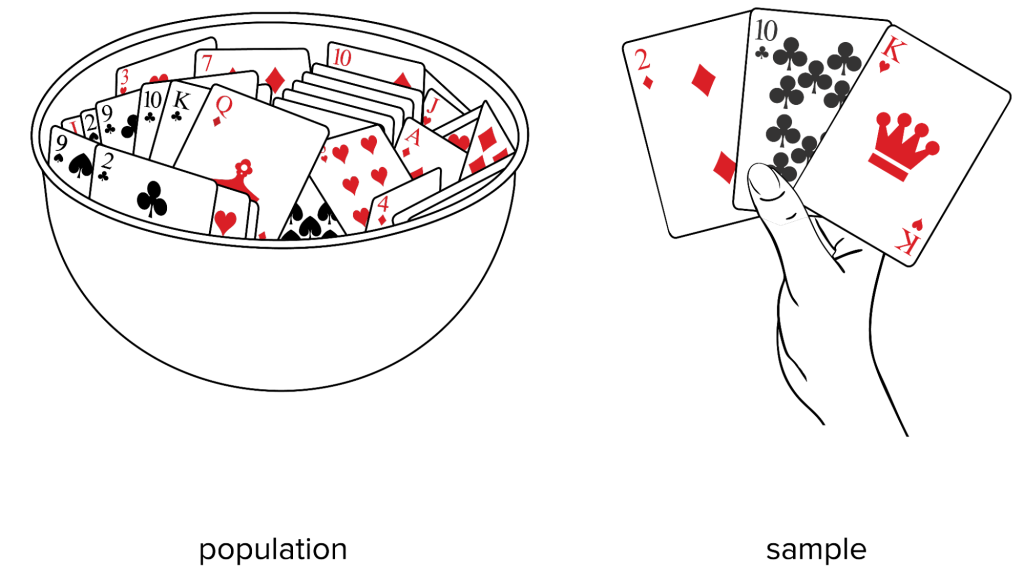
Probability sampling is the concept of statistical sampling in which every member of the population has a known, non-zero chance of being selected .
Selecting a probability sampling method is determined by:
The data that needs to be collected
The size of the representative sample
How long it will take to collect the data, etc.
Random sampling is one category of probability sampling that is used to help ensure that the sample accurately:
Represents the population parameters
Minimizes bias
Provides an equal chance of being randomly selected
Random Sampling Techniques
Simple random : Any individual in the population has an equal chance of being selected at random from the population.
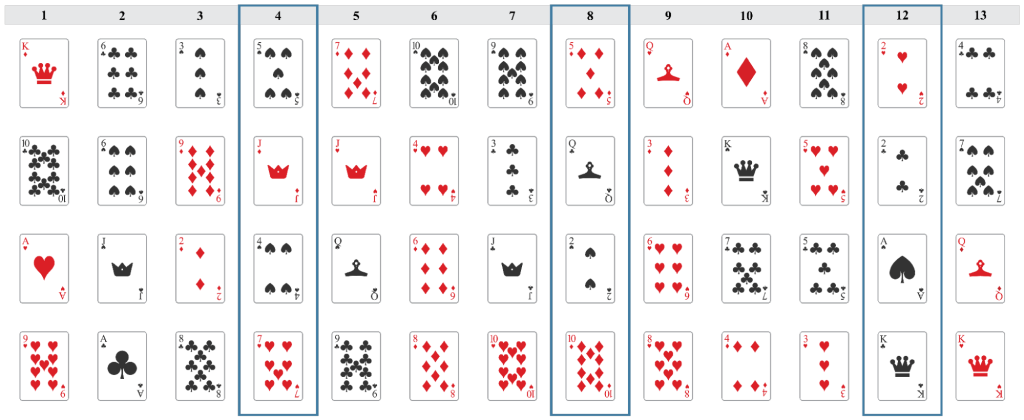
Systematic : After the population is randomized to avoid bias, a starting point is determined from the population, and then every individual is selected.
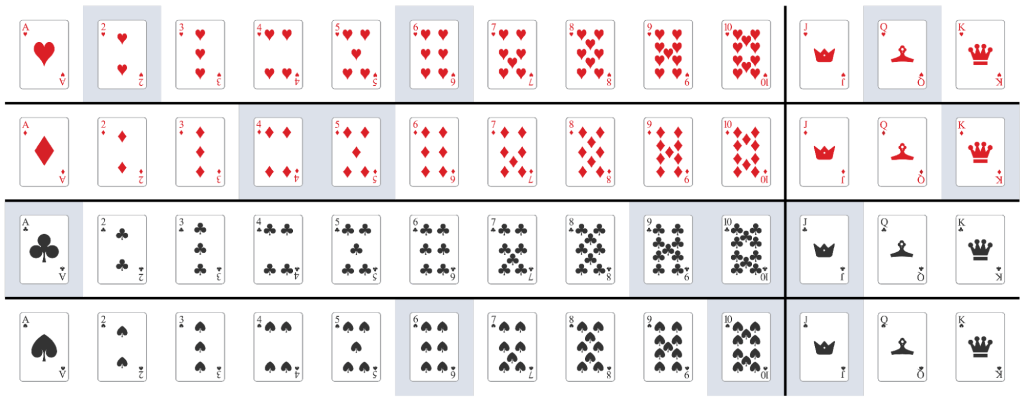
Stratified : The researcher first divides the population into smaller groups with similar population characteristics that do not overlap. Then the researcher takes a random sample from each group in proportion to the population.
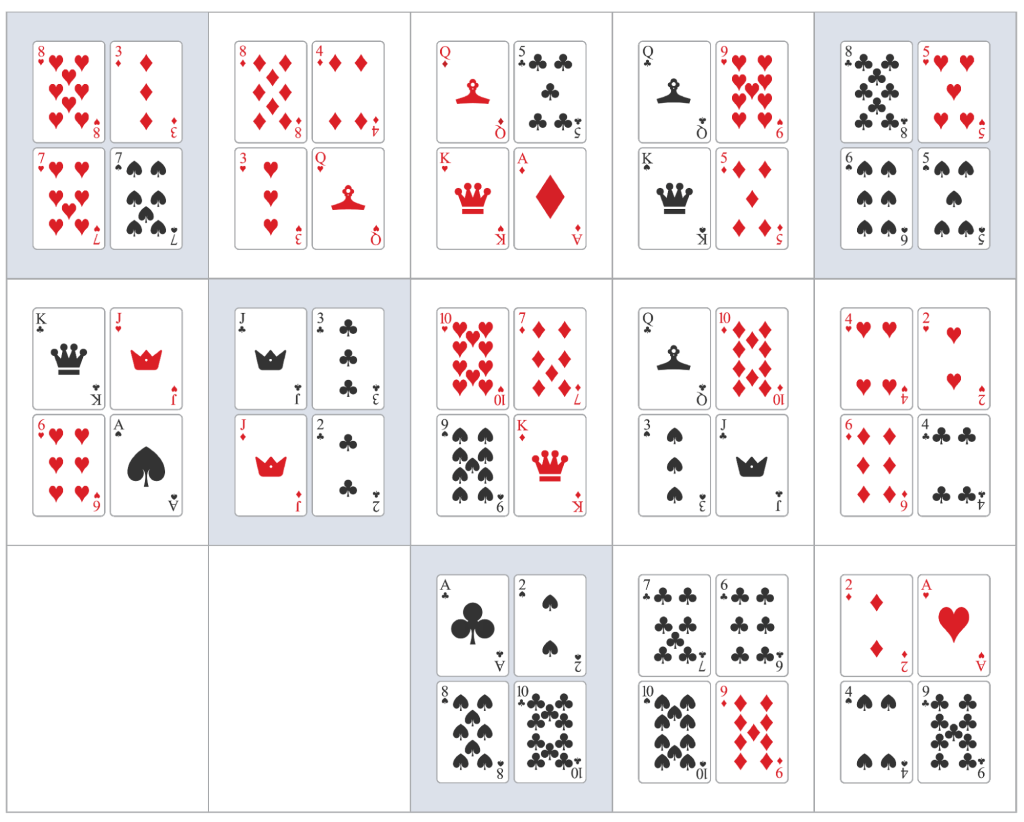
Cluster : The researcher first groups the population by regions (or clusters), then entire clusters are randomly selected to represent the population.
Example 1
Name the probability sampling method and the population.
A marketing company wants to test a new car advertisement. They divide their target audience into age groups From each age group, they randomly select a number of individuals, proportional to the group’s size, to watch the ad and provide feedback.
Stratified sample Population: potential car purchasers (18+ years old)
Example 2
Name the probability sampling method and the population.
A researcher wants to study the health habits of high school students in Los Angeles, CA. Instead of trying to survey individual students from every school, they randomly select a cluster of five high schools in LA, and then survey every student within those selected high schools.
Cluster sample Population: high school students in Los Angeles, CA