
More to Explore
Logarithmic Functions Solutions
- Using technology, think about the following questions, and then reveal the answers.
- Use the function:
- Start with h = 0, and k = 0.
- What is the end behavior when a > 0 and 0 < b < 1?
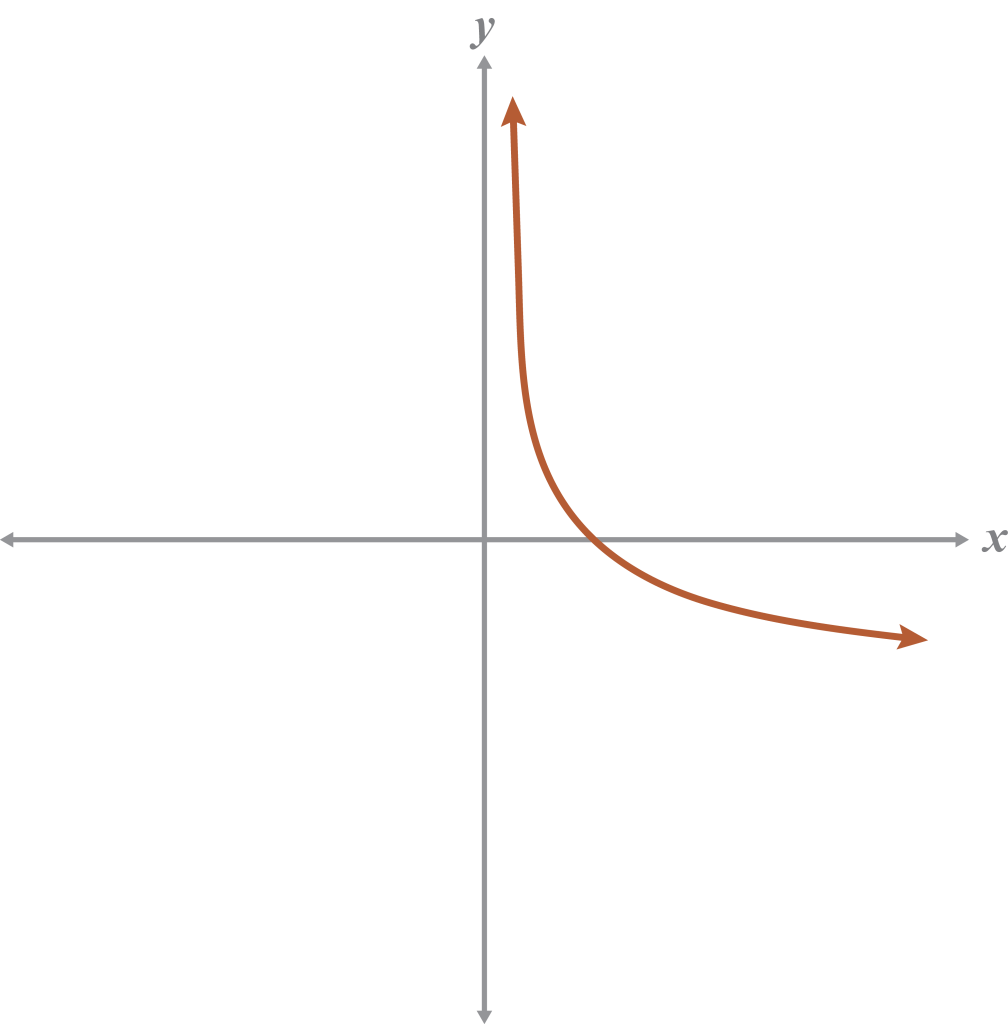
- What is the end behavior when a > 0 and b > 1?
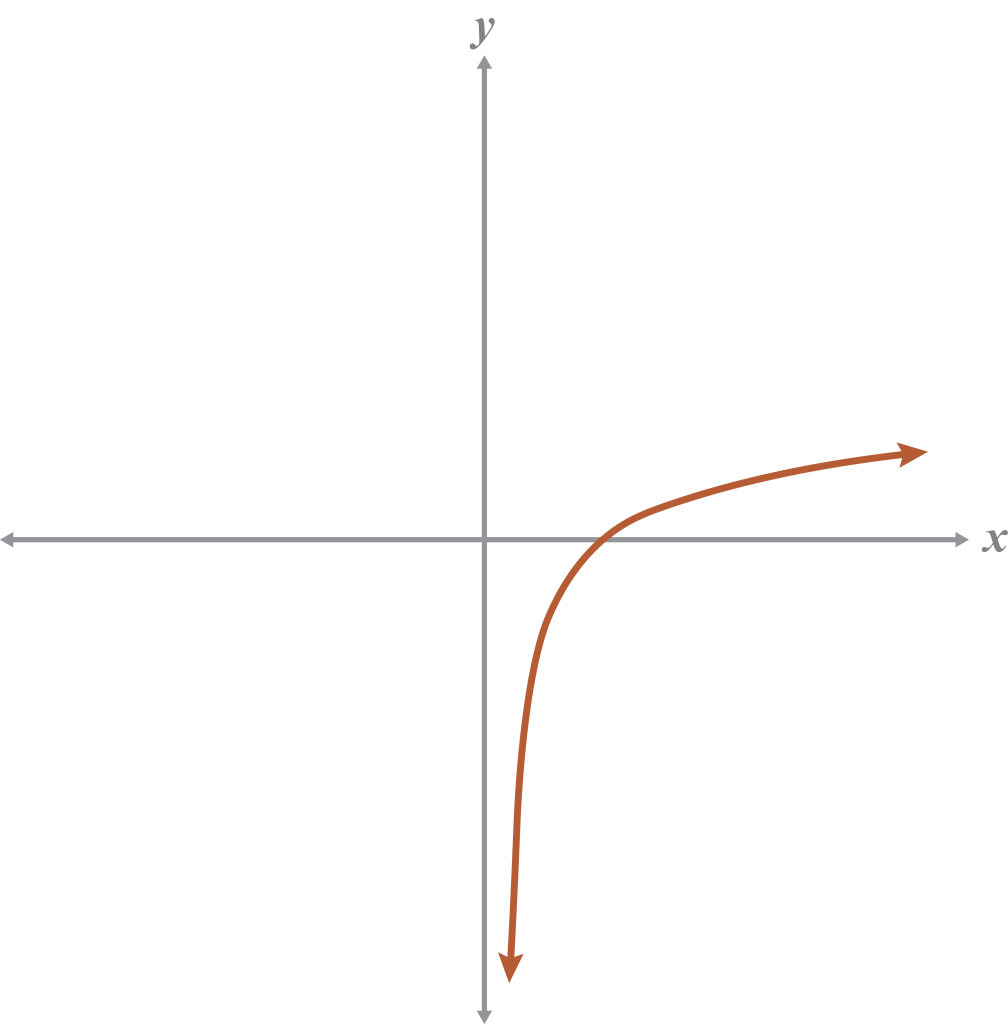
- What is the end behavior when a < 0 and 0 < b < 1?
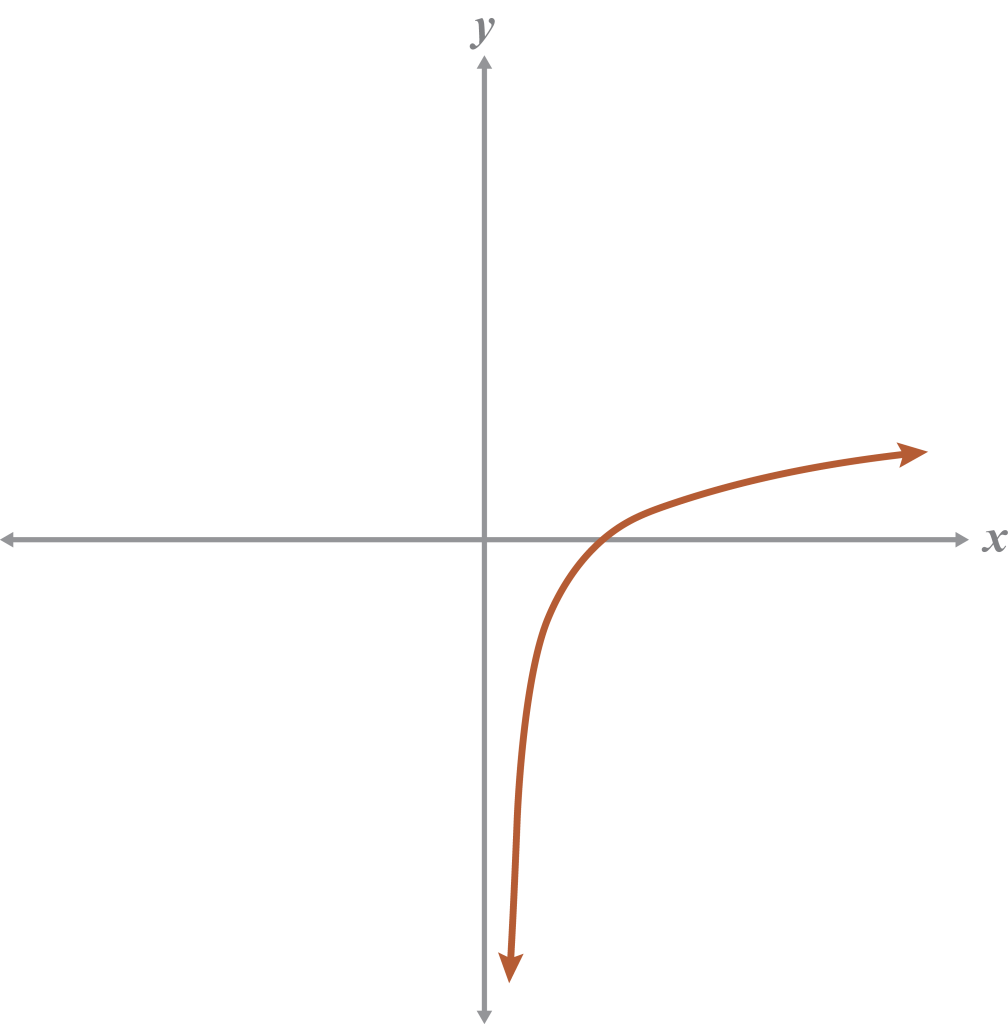
- What is the end behavior when a < 0 and b > 1?
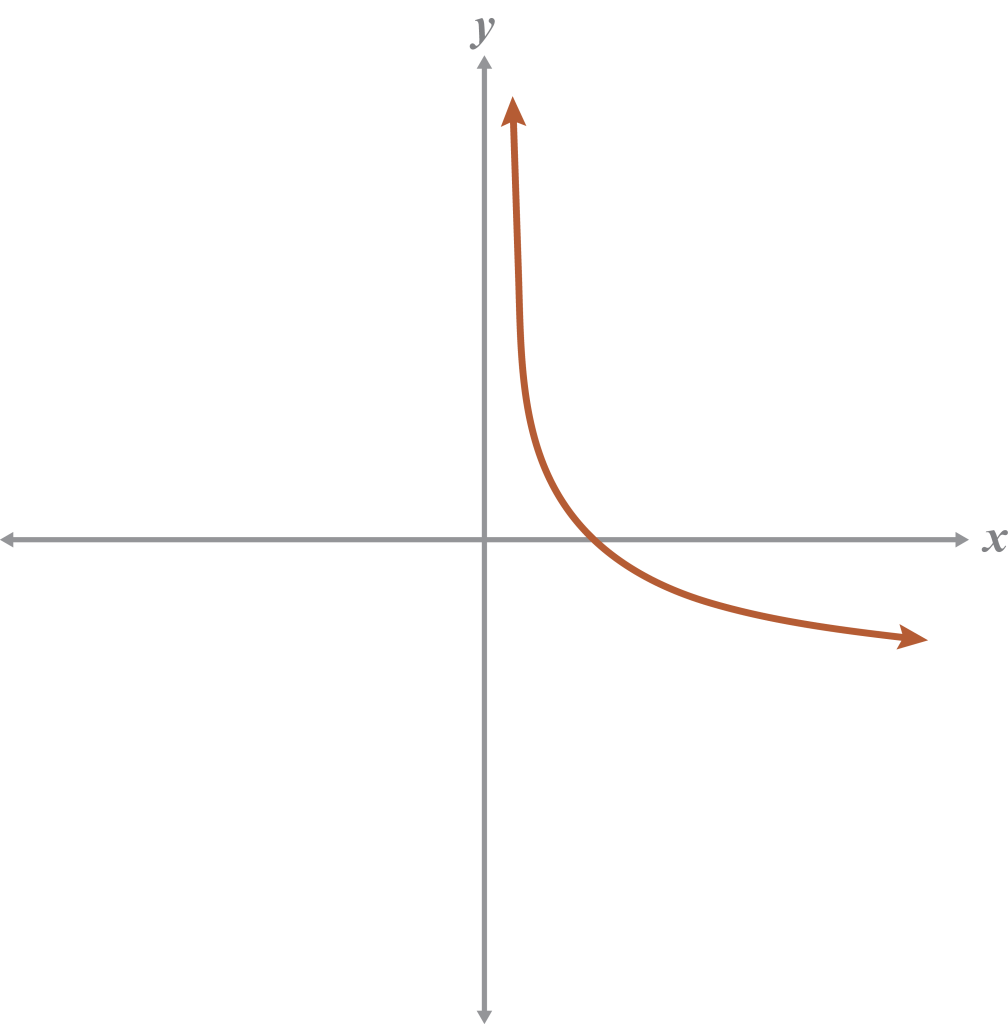
- What happens to the graph when the values of h and k do not equal 1 (are something other than zero)?
The graph translates (slides) right/left and up/down.
Use of the Desmos Graphing Calculator and other Desmos Tools is used with permission from Desmos Studio, PBC.