Practice 1 Solutions
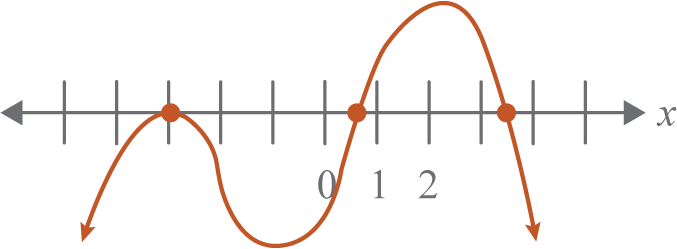
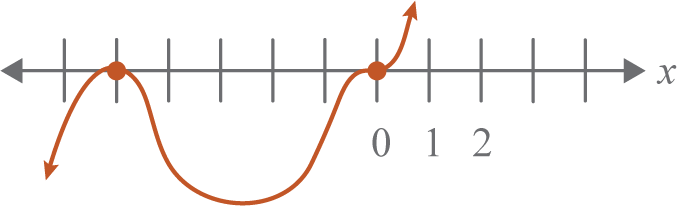
Write the polynomial as a product of factors from the graph. Explain the multiplicity.
Note
Start by determining the possible degree. You can use the abbreviations C, B, and S on the graph to mark cross-through, bounce, and snake respectively.
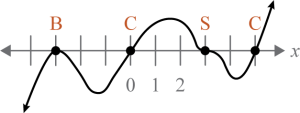
There is a double root (bounce = 2) when , a single root (cross-through = 1) when the graph crosses the x-axis at and a triple root (snake = 3) when .
Note
Because it is written as a monomial preceding all binomial terms.
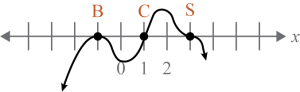
There is a double root (bounce = 2) when a single root (cross-through = 1) when the graph crosses the x-axis at and a triple root (snake = 3) when
Sketch the roots. Then write the equation.
Note
Remember, a sketch does not reflect the exact scale of a graph. It is used to give a general idea of what is happening at key points on the graph.
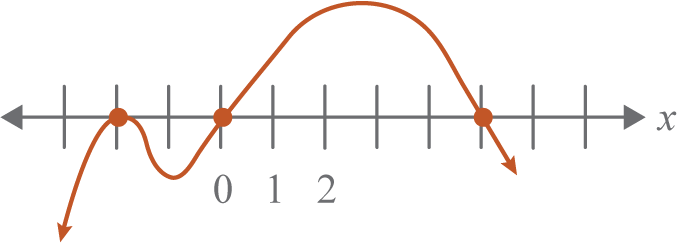
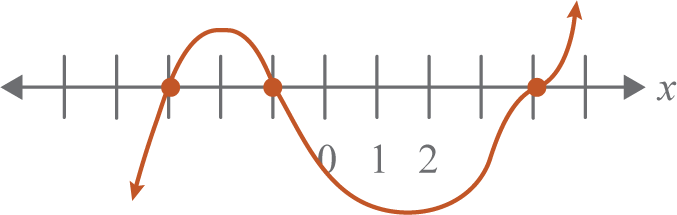
Sketch the zeros of the function.
Note
Because answers are sketched, graphs may not look exactly the same as the solutions. The end behavior and how the graph intersects the x-axis is the key to this lesson.
List all potential rational roots. Do not solve.
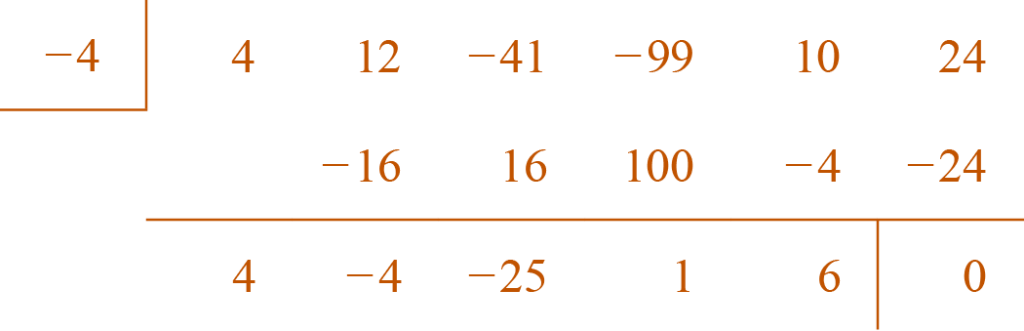
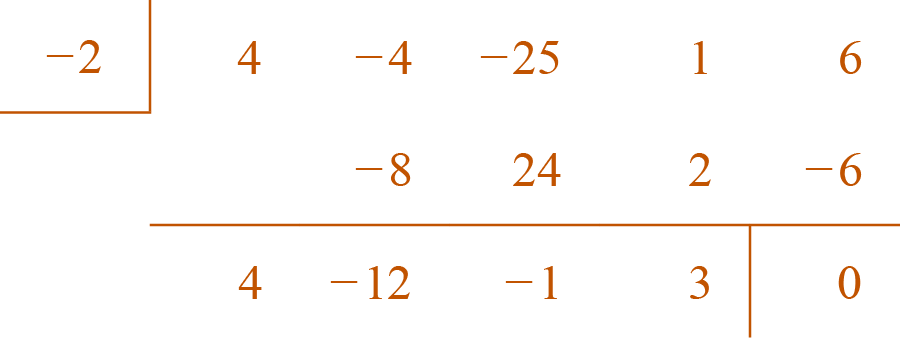
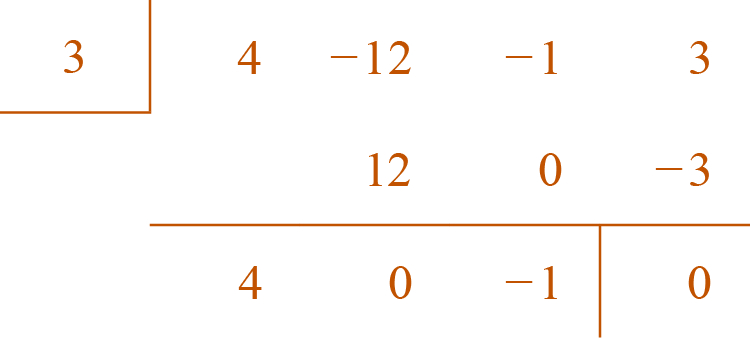
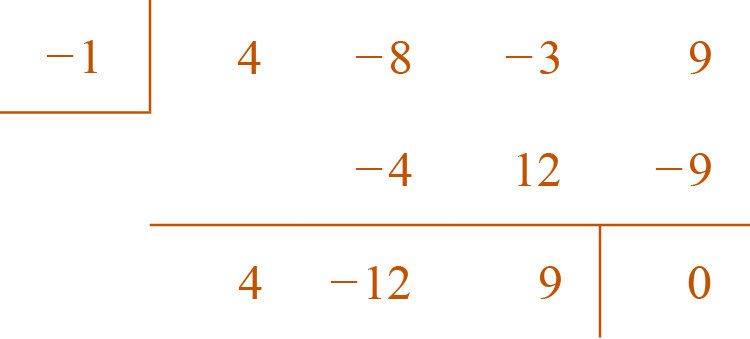
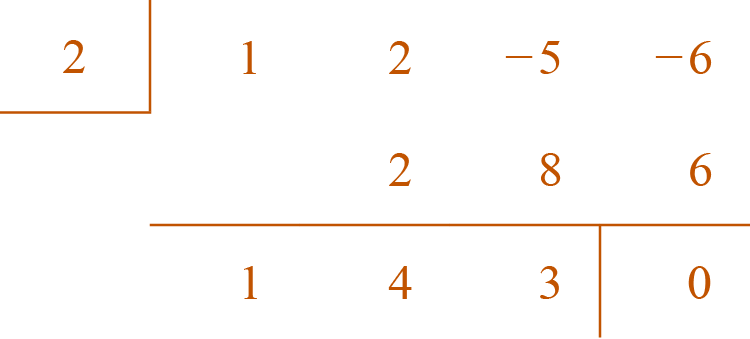
Determine all roots of the function.
Note
Problems can be solved without using technology.
There are many ways to solve these problems that depend on the order in which you use the possible rational roots.
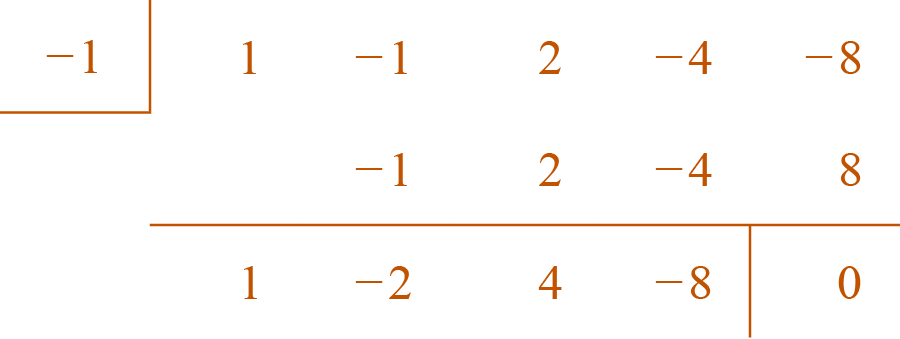
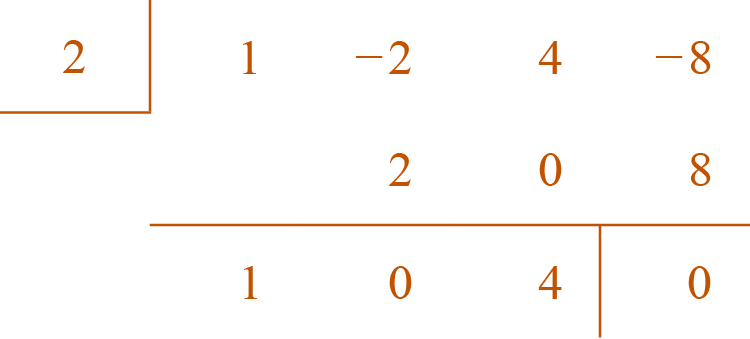
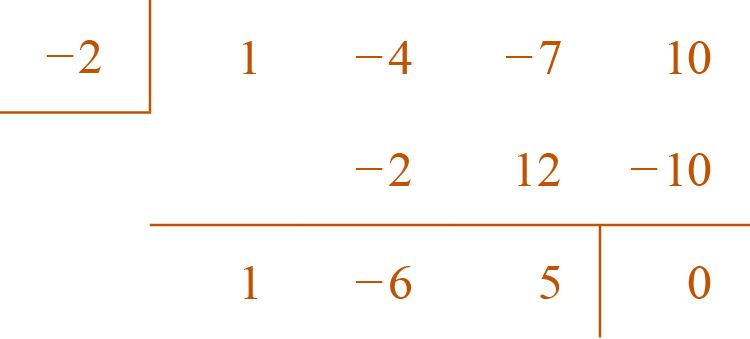
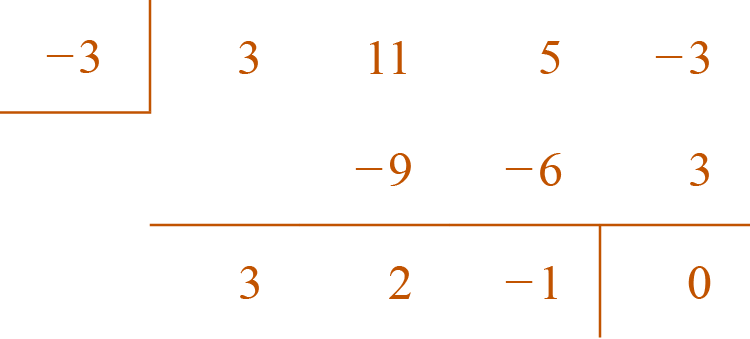
Determine all roots of the function. Then write them as a product of factors using rational numbers.
Note
You do not need to write out all possible rational roots. You are encouraged to use technology for these problems.
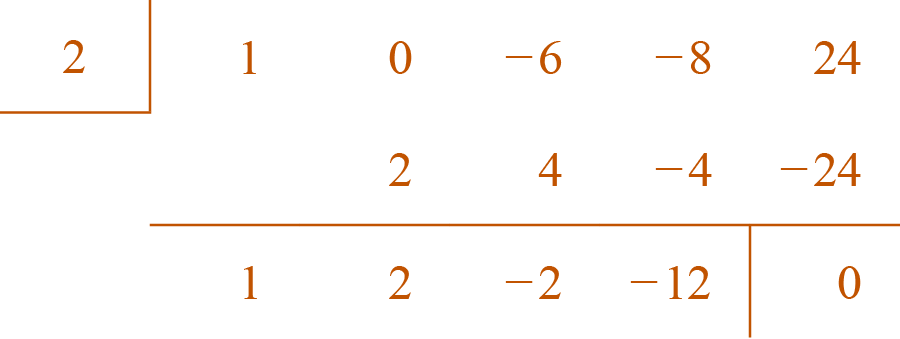
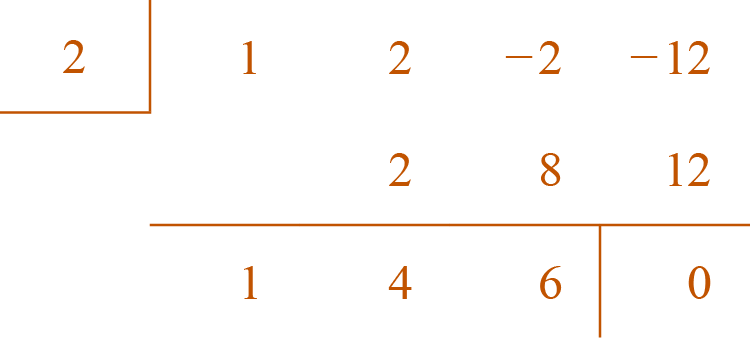
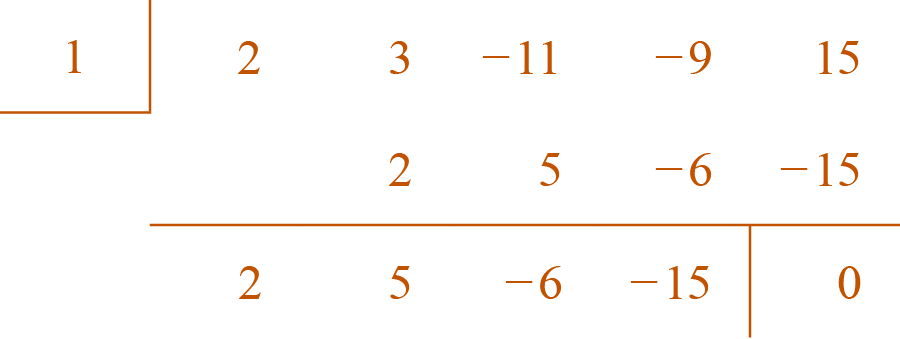
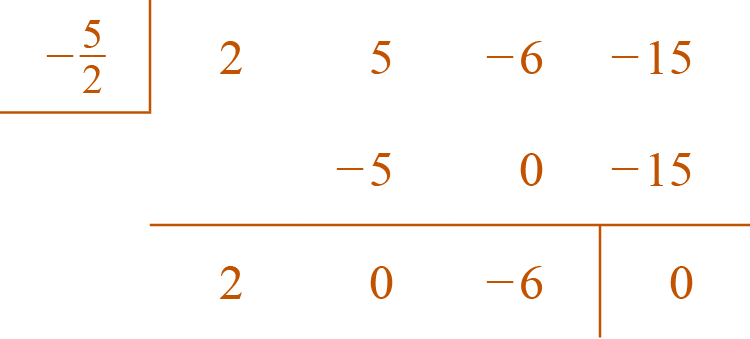
Note
An alternate way to write the factors is: