
Lesson 15: Complex Numbers and the Imaginary Unit
Warm Up Solutions
Simplify.
Note
Remember to look at the Formula Sheet to review the exponent rules.
Q: What exponent rules reference division?
A: The Quotient Rules
no real solution
Note
Up to this point, you have only simplified problems involving real numbers.
Explore
The Imaginary Unit i Solutions
Rules for the Imaginary Unit
Note
While you should have your Formula Sheet at all times, using it for this particular lesson will be very important. This lesson uses the exponent rules, algebraic properties, and the rules for the imaginary unit.
Example 1
Evaluate.
Note
Notice that a remainder determines the value. Dividing the exponent by 4 and then determining the remainder may be helpful when evaluating expressions with i.
Example 2
Evaluate.
Evaluate.
Note
Q: By what number do you divide the exponent to simplify the imaginary unit? Explain.
A: 4, because
Note
Q: Why is it important to know the remainder when the number i is raised to a power?
A: Because this determines the value –1, –i, or i.
Explore
Negative Square Roots Solutions
Note
In Algebra 1, you wrote “no real solution” for a result that included a square root with a negative radicand. While that is still true, now you can simplify the radicand using imaginary numbers. This will be discussed further in the next video.
Example 3
Simplify.
Implement
Explain
- Prime factorization
- Simplify
Note
You can write –1 in the radicand or simplify it to i in your first step. Both are correct.
Example 4
Simplify.
Implement
Explain
- Prime factorization
- Simplify
Example 5
Simplify.
Note
Be careful! It is tempting to multiply first here, but the rule for simplifying radicals only applies to real numbers.
Implement
Explain
- Simplify out
- Simplify i and radicands
Simplify.
Note
Remember to simplify from the radicand first. This becomes important to the next part of the lesson.
Q: Why are the answers so different when the radicands only have a difference of one?
A: Sample: Because 100 is a perfect square and 99 is not.
Q: If you multiplied A and B together, would the answer be positive or negative? Explain.
A: The answer would be negative because , which would be part of the coefficient.
Explore
The Complex Number System Solutions
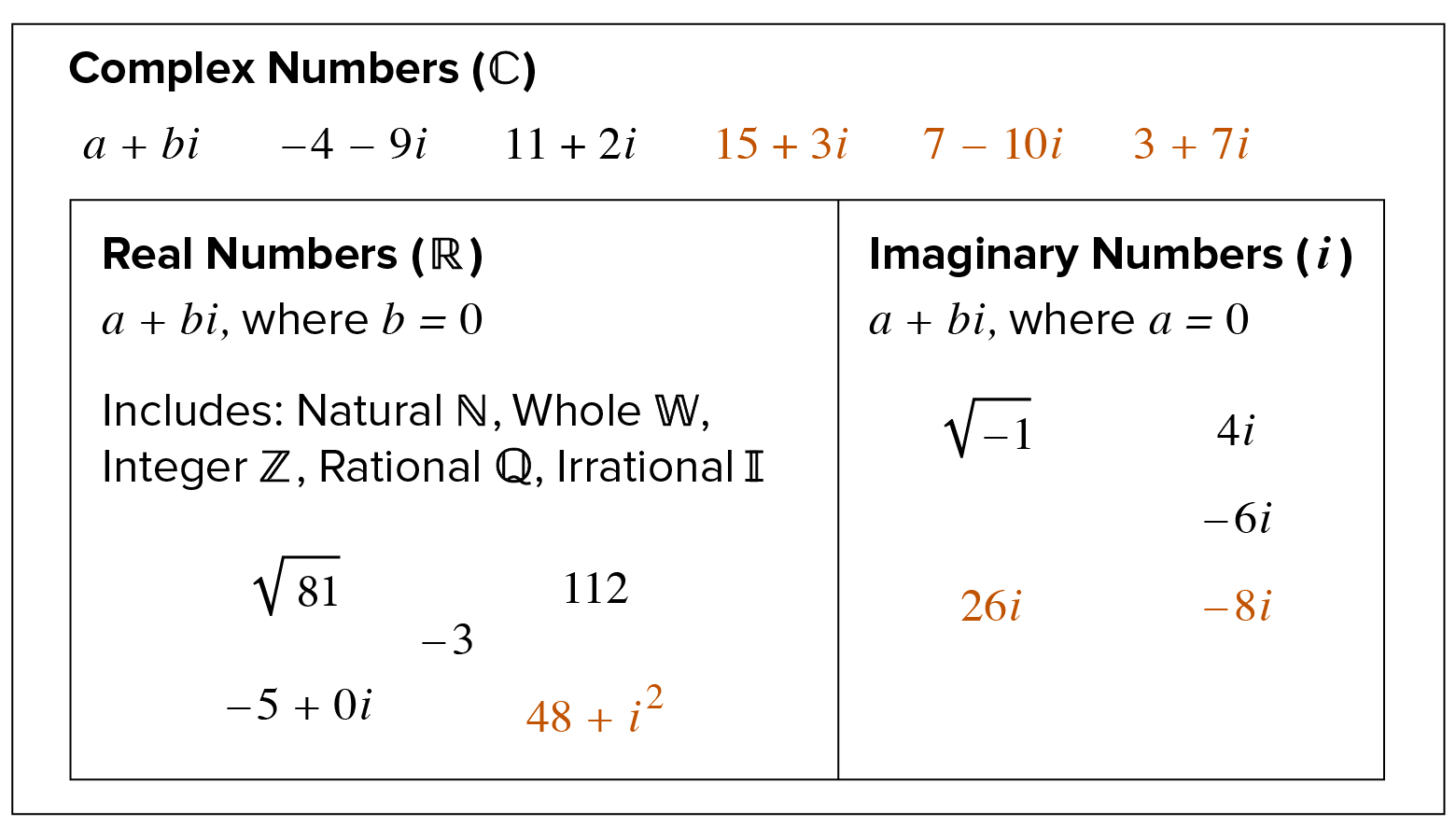
Example 6
Classify by all sets to which it belongs: real, pure imaginary, complex. Then add A–D to the Complex Number diagram on the previous page.
complex
pure imaginary, complex
real, complex
complex
Classify by all sets to which it belongs: real, pure imaginary, complex. Then add to the Complex Number diagram (in the guided notes).
-
pure imaginary, complex
-
complex
Note
Q: Are real numbers complex numbers? Are imaginary numbers complex numbers? Explain.
A: Both real and imaginary numbers are also complex numbers. You can see this in the diagram. It shows the real numbers and imaginary numbers inside the complex number box.
Practice 1 Solutions
Evaluate.
Note
Use the Formula Sheet to help with the rules for the imaginary unit i.
i
– i
1
–1
1
i
–1
– i
Simplify.
Note
Q: Why must the imaginary unit i be simplified out when the radicand is negative?
A: Because the rules to simplify radicals are only true for real numbers.
–24
Note
Remember to simplify out before multiplication of any radicands. If your answer is positive, you did not write as i in your first step.
12i
Note
Q: What is another way to write ?
A: Negative one.
Simplify. Then classify by all sets to which it belongs: real, pure imaginary, complex.
Note
Q: What classification can you use for every number?
A: Complex
Q: Why is it a good math practice to simplify before you classify numbers?
A: Because the simplified answer may not be the exact classification you originally expected.
Real, complex
Complex
11i
Pure imaginary, complex
Real, complex
Pure imaginary, complex
5i
Pure imaginary, complex
Real, complex
Complex
Mastery Check Solutions
Show What You Know
Complete the statement with always, sometimes, or never.
If your answer is sometimes or never, provide an example to back up your choice.
Sample: , , , and . The numbers –1 and 1 are real, not imaginary, while i and are pure imaginary.
Sample:, where i is an imaginary number.
Sample: , when is pure imaginary. If an expression is in the form , this is complex only. If an expression is in the form , when , the number is real, complex.
Note
These statements should help you think about how the imaginary numbers work within the complex number system. There are many examples you can share for A, C, and D. If you are not certain, use the Practice page to find specific examples.
Say What You Know
In your own words, talk about what you have learned using the objectives for this part of the lesson and your work on this page.
Note
Restate the objectives of the lesson in your own words. If you are unable to restate the lesson objectives, go back and reread the objectives and then explain them.
-
- Classify complex numbers (real, imaginary, complex).
- Define the imaginary unit as .
- Simplify roots of negative numbers using the imaginary unit.
- Use the pattern of i to simplify powers of the imaginary unit.
Practice 2 Solutions
Evaluate.
–1
–1
– i
–1
i
– i
Simplify.
–6
14i
8i
Simplify. Then classify by all sets to which it belongs: real, pure imaginary, complex.
2i
Pure imaginary, complex
Real, complex
Pure imaginary, complex
Real, complex
Complex
Pure imaginary, complex
Targeted Review Solutions
Simplify.
Solve.
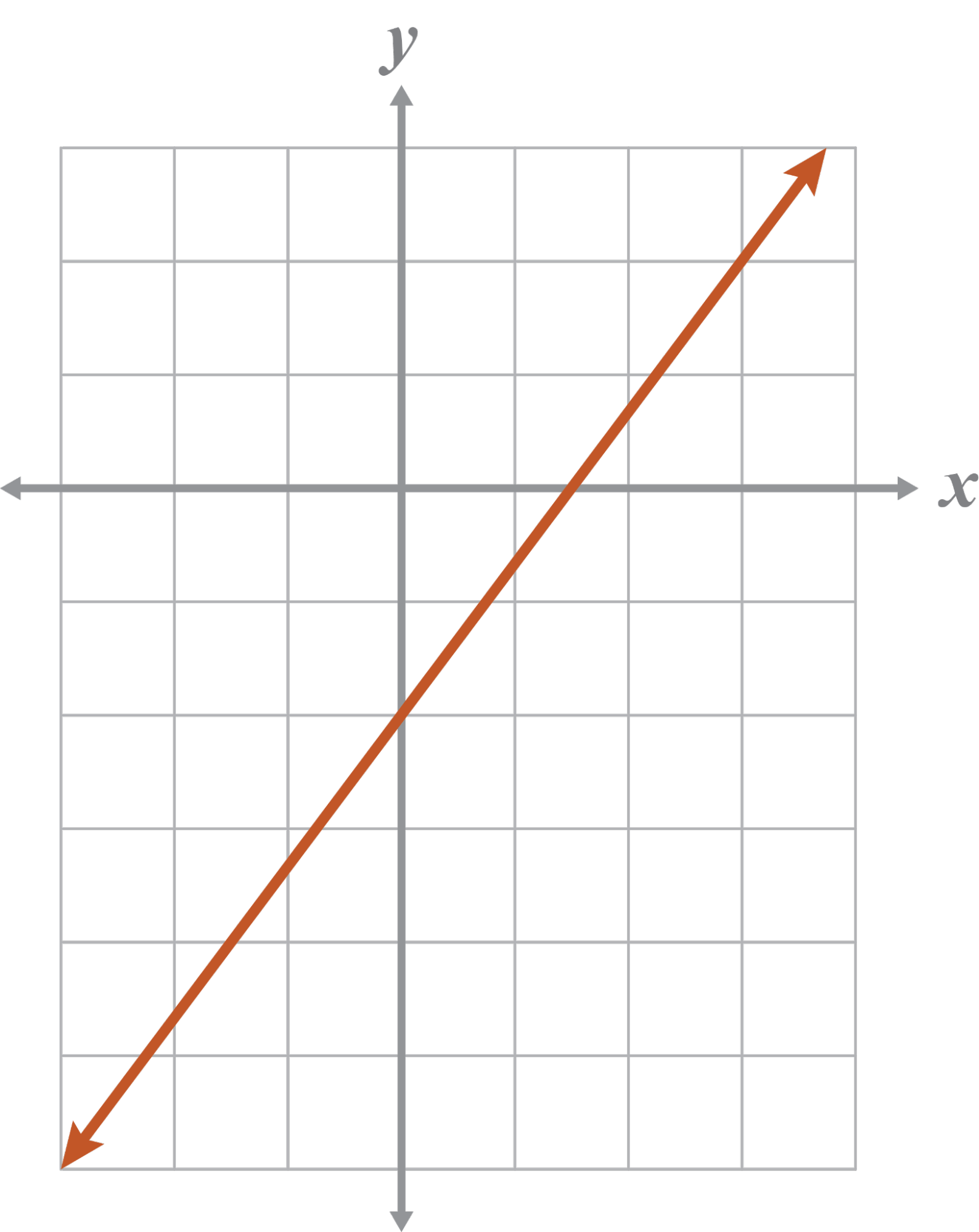
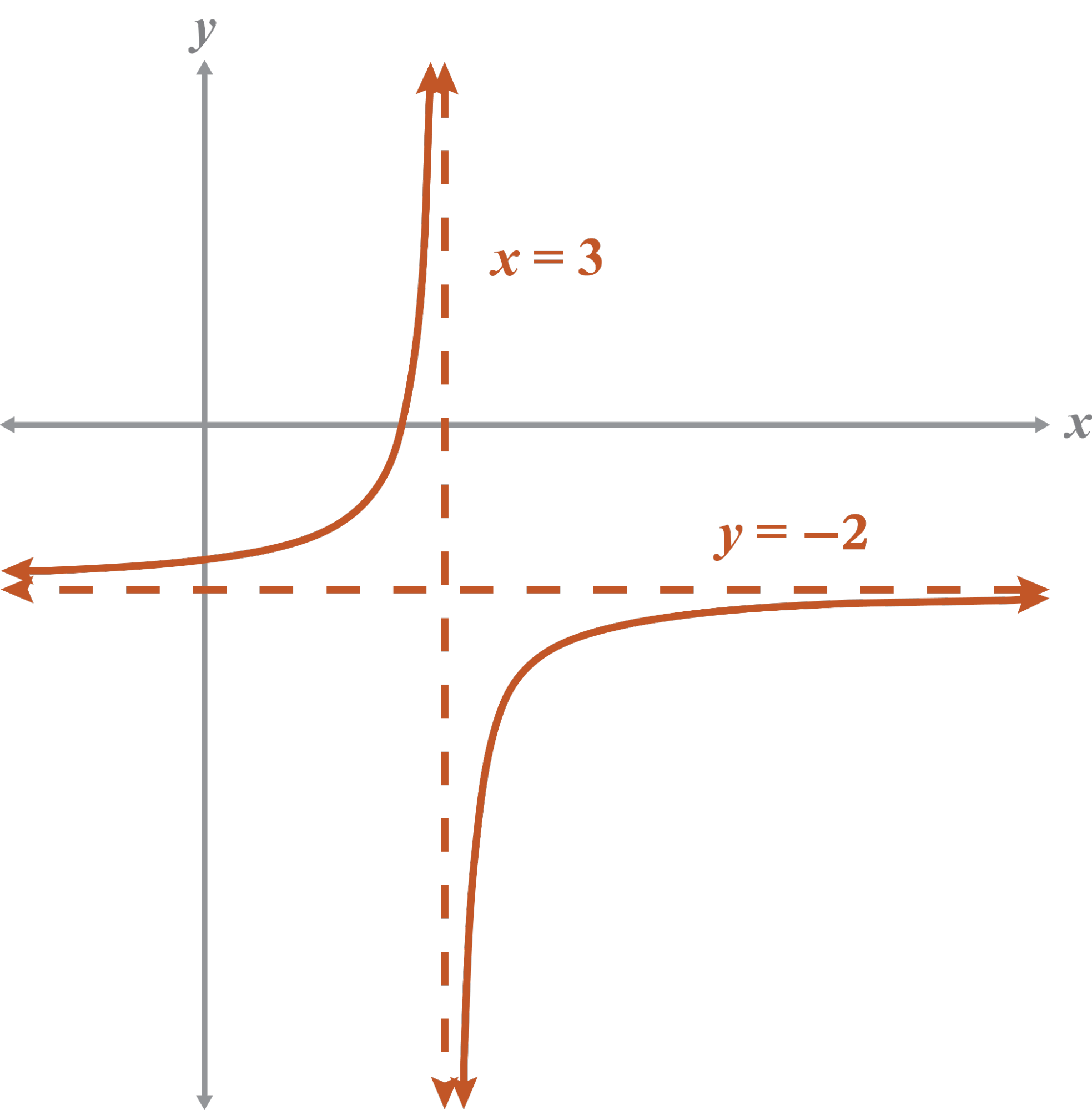
Graph.
Multiple Choice
A
- Simplify.
Note
-
The coefficient of the radicand is missing a factor of 2.
-
This option uses an index of 2 rather than 3.
-
This option divides 48 by 3 rather than using the prime factorization and exponent rules.
C
- Solve.
-
5
-
no solution
Note
-
This option represents the restriction of the principal root.
-
This option occurs if 1 is subtracted rather than added to both sides.
-
The radical needs to be isolated on one side before determining if there is no solution.
C
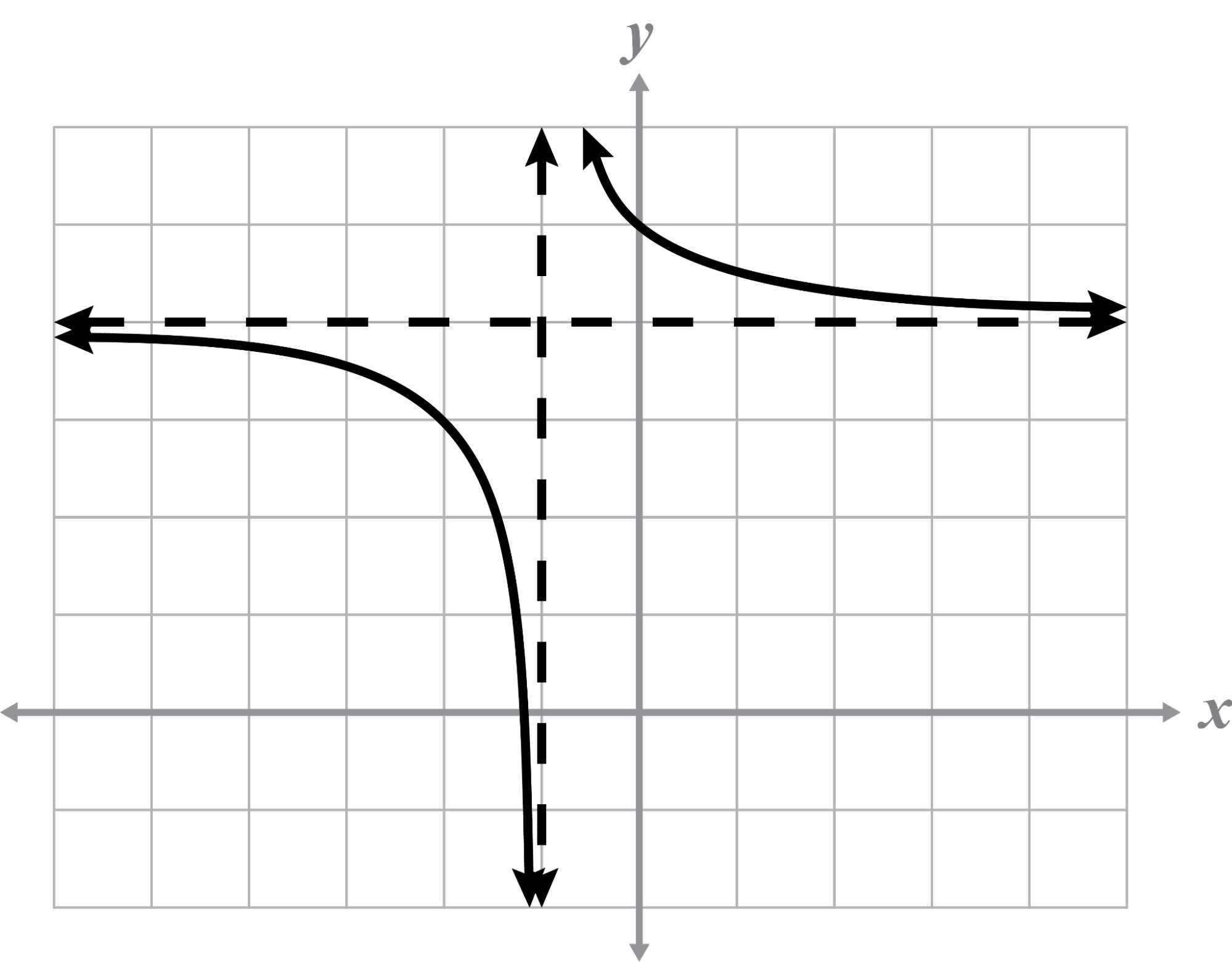
- Name the range using the graph of the rational function.
Note
-
–1 represents the restriction on the domain.
-
This option is the x-axis, and not a restriction for the range.
-
This option is the value of the y-intercept.
B
- Determine the equation that best represents the linear function.
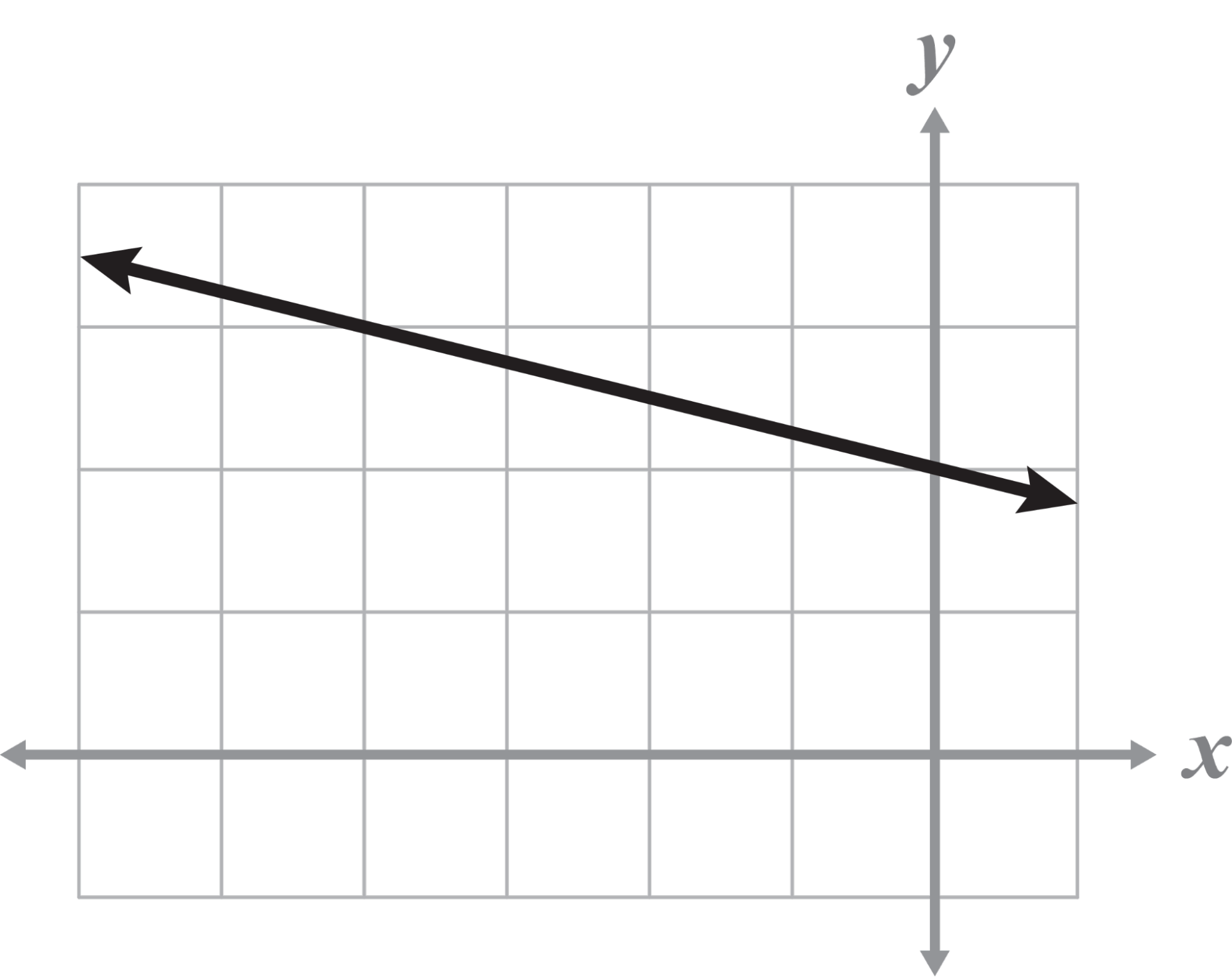
Note
A, D) The slope of the graph is negative.
C, D) Using and , the slope is .
| Problem | 1 | 2 | 3 | 4 | 5 | 6 | 7 | 8 | 9 | 10 | 11 | 12 |
| Origin | L11 | L12 | L12 | L13 | L14 | L14 | A1 | L10 | L11 | L13 | L10 | A1 |
L = Lesson in this level, A1 = Algebra 1: Principles of Secondary Mathematics, FD = Foundational Knowledge
Back to Top